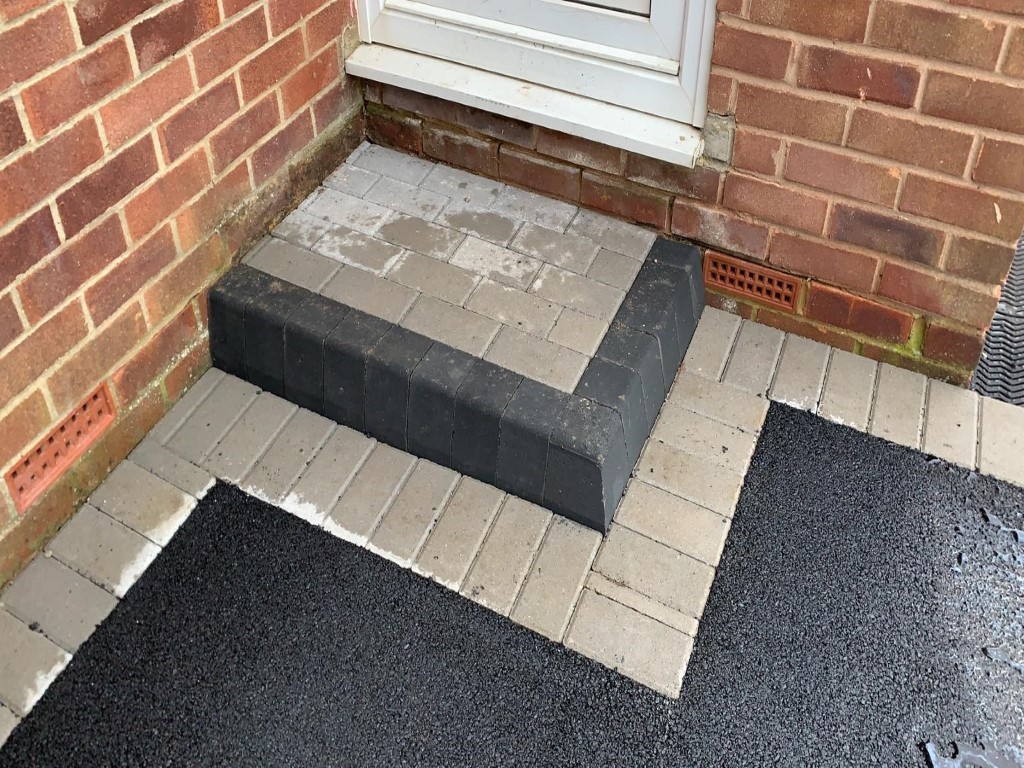

Wall capping and coping stones provide essential weatherproofing and structural integrity for garden walls in Derby. These protective elements shed rainwater away from the wall core while creating an attractive finished appearance.
Before You Start: Essential Considerations
Check your wall’s structural condition before adding capping stones. Damaged mortar joints or loose bricks must be repaired first. The additional weight of stone coping requires a stable foundation, and experienced contractors often recommend proper assessment beforehand.
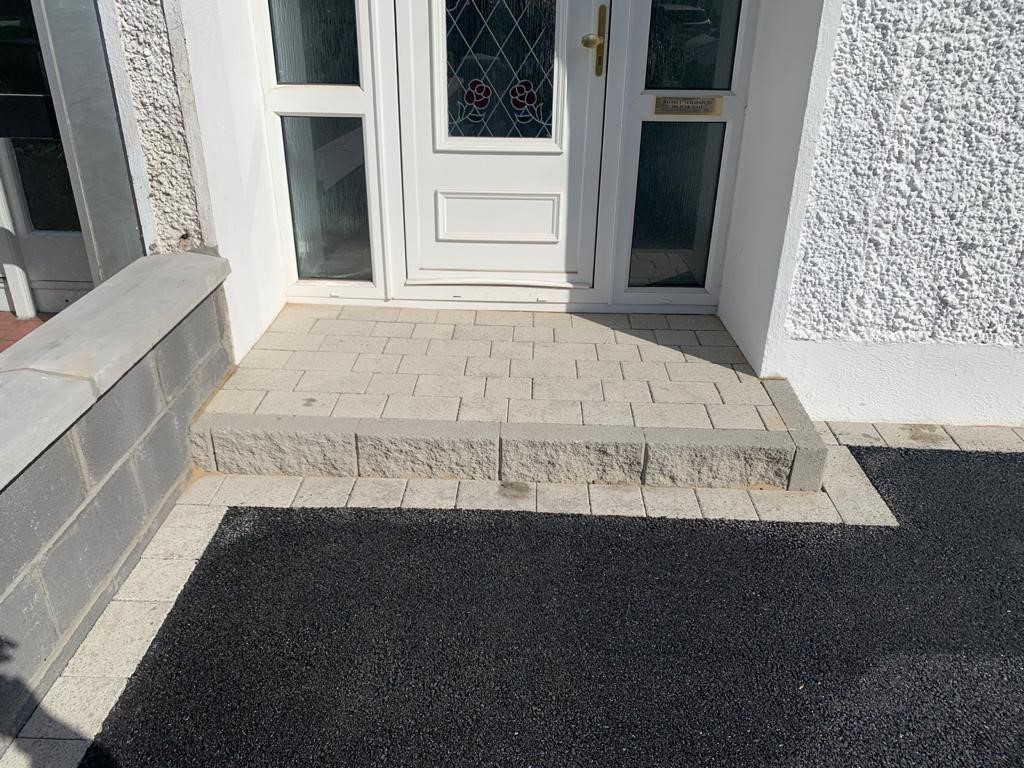
Measure your wall thickness accurately. Standard coping stones come in 300mm, 450mm, and 600mm widths. Order 10% extra materials to account for cutting waste and potential breakages.
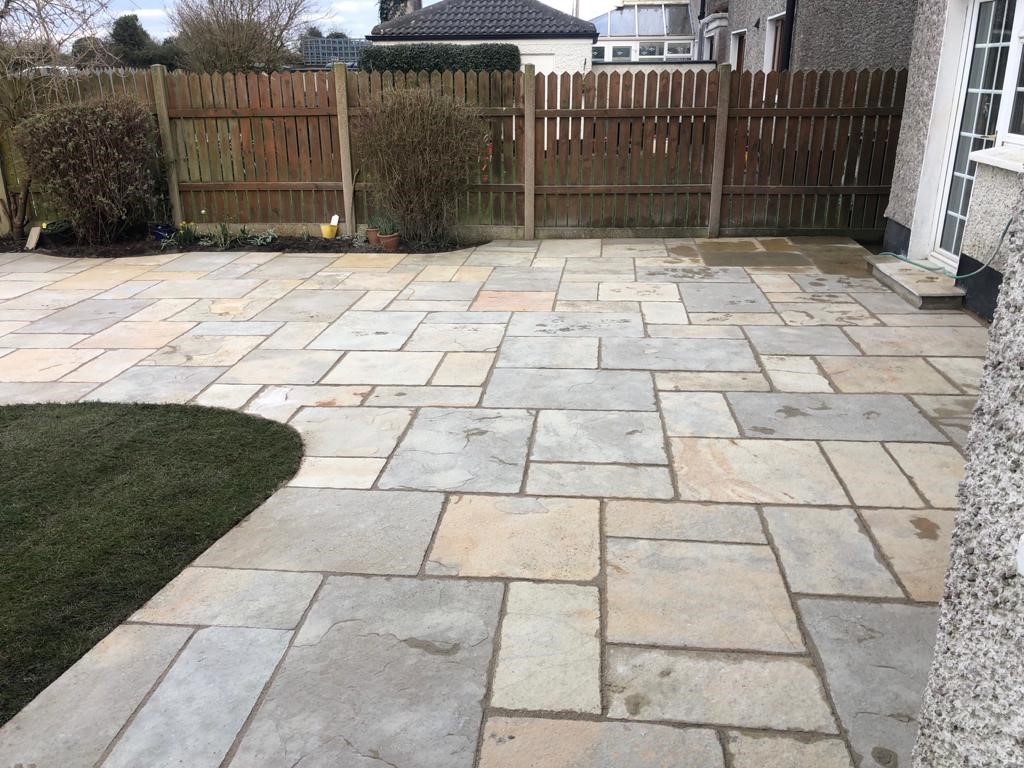
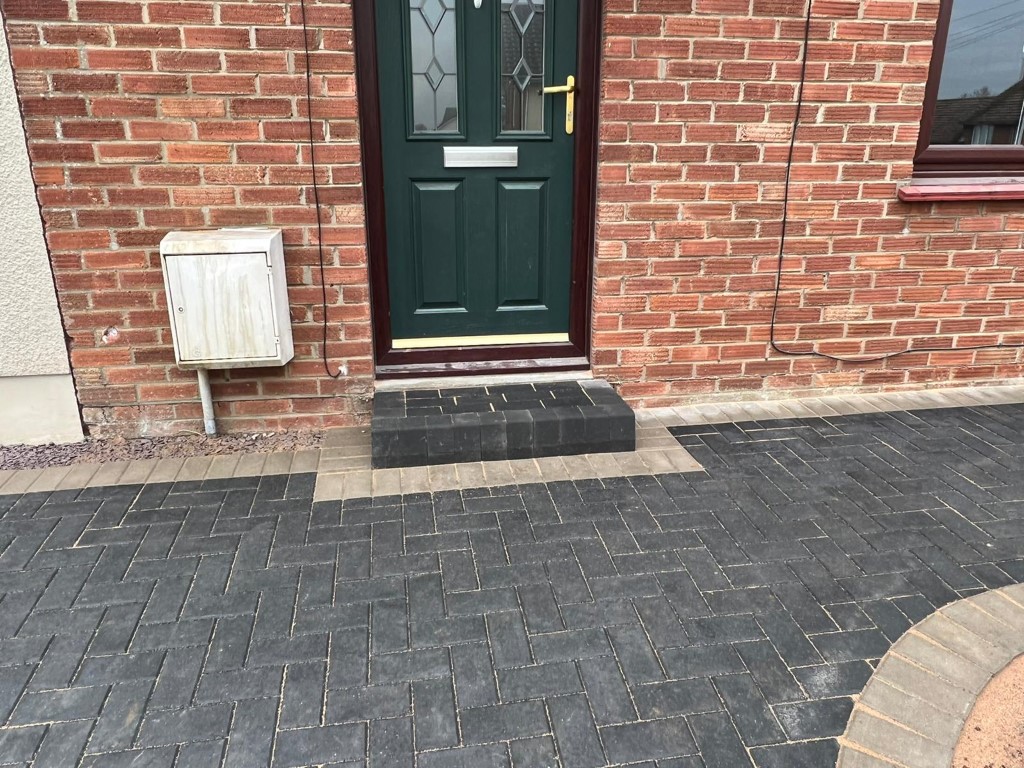
Consider Derby’s weather patterns when selecting materials. Natural stone weathers differently than concrete alternatives. Limestone and sandstone require regular maintenance but offer superior aesthetics.
Questions to Ask Your Contractor
- What fall gradient will you create to shed water effectively?
- How will you secure the coping stones to prevent movement?
- What type of mortar mix will you use for the pointing?
- Do you install a damp proof course beneath the coping?
- How long will the mortar need to cure before completion?
Installation Process Steps
Your contractor should clean the wall top thoroughly and apply a waterproof membrane. Each coping stone requires bedding on a full mortar bed to prevent water penetration through gaps.
Proper joint finishing creates weatherproof seals between stones. Struck joints angled downwards shed water more effectively than flush pointing. Allow 48 hours minimum curing time before exposing to heavy rainfall.